


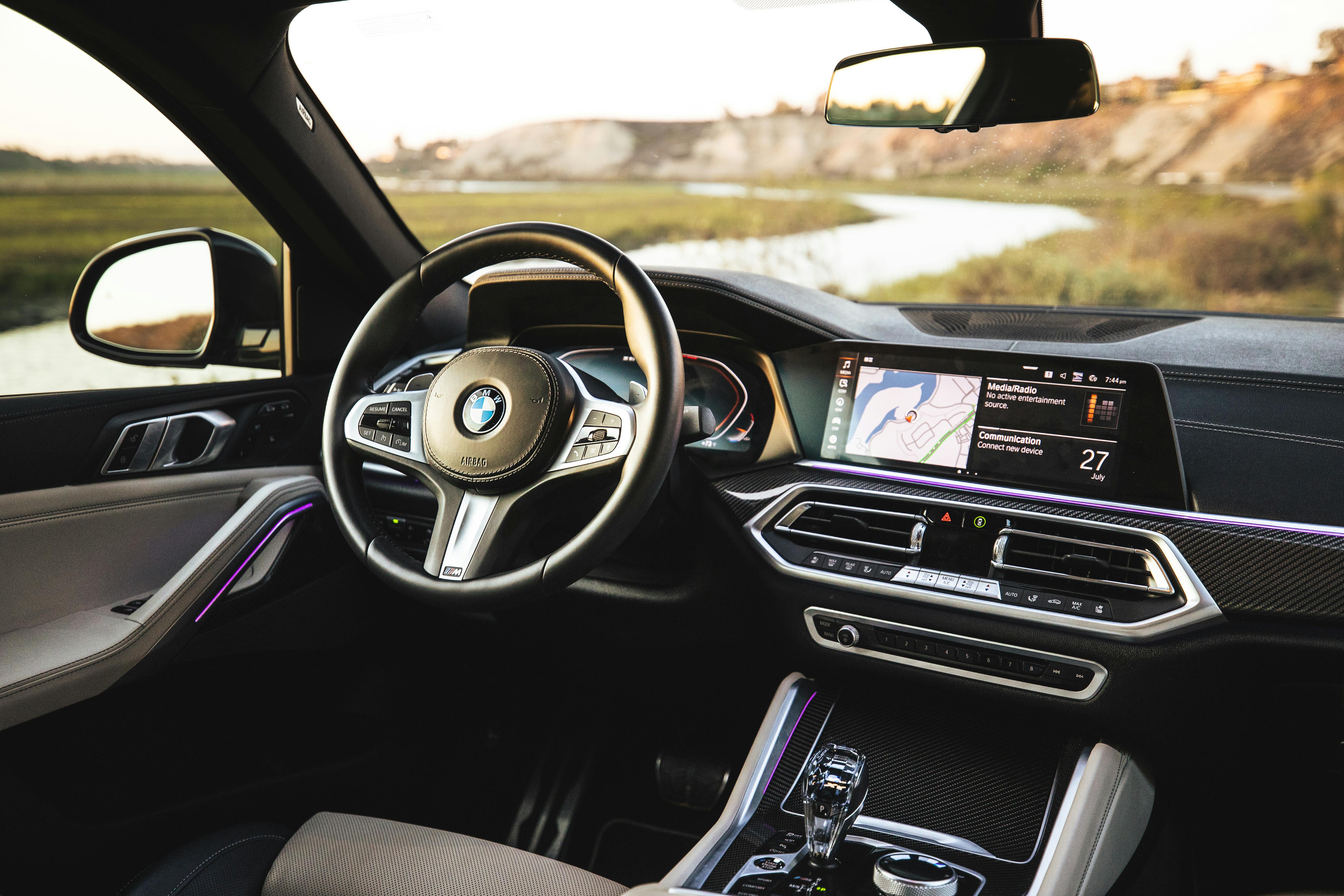
Here's something worth saying upfront: the hesitation most BMW owners feel before doing this themselves has nothing to do with the tools. It's the quiet worry of doing something wrong in a car that costs serious money.
That worry is understandable. It's also, for the most part, unnecessary.
A BMW door panel is a piece of interior trim held on with a handful of screws and plastic clips. Behind it sits a speaker in a mounting location that was designed to come out. The factory connector unplugs. The Stage One speaker plugs in. The panel goes back on.
Front doors typically take 60 to 90 minutes. The rear doors move faster once you've found your rhythm. This guide walks through every step: the tools, the process, platform-specific quirks, and where to find the video tutorial for your exact chassis.
What You'll Need Before You Start
Tools
- Trim panel removal tool - a plastic pry tool made for interior panels. A flathead screwdriver will leave marks you'll notice every time you get in the car.
- T20 Torx bit with a ratchet or screwdriver handle.
- Phillips head screwdriver.
- A small container for screws. Losing one inside a door cavity is a frustrating way to spend an afternoon.

Before You Order
Confirm your chassis code and audio configuration. Stage One kits are built for specific BMW platforms - an HK kit and a Hi-Fi kit for the same chassis aren't interchangeable.
Check your iDrive option codes: S676A is Hi-Fi, S688A is Harman Kardon. Not sure which you have? Use the build kit tool or email support@bavsound.com with your VIN.
Watch the Tutorial First
Bavsound has video guides organized by chassis code at bavsound.com/pages/bavsound-install-tutorials. Watch your platform's video before touching a single tool. Ten minutes of video saves a lot of guesswork.
The Install, Step by Step
Step 1: Prep the Door
Park the car and make sure the window is fully up. Then open the door fully - you need the room to work and to pull the panel away once it releases.
Before reaching for a trim tool, look for screws. On most BMW platforms, there are one or two visible ones - usually inside the door pull recess or in the tweeter housing near the mirror triangle.
Skipping a screw before prying is the most common first-timer mistake, and the one most likely to break a clip.
Step 2: Remove the Screws
Find every screw and take it out before you touch the trim tool. This sounds obvious. It's still the step people rush.
Most BMW door panel screws are T20 Torx. Some platforms use Phillips. Some use both. Your tutorial will confirm. Set the screws somewhere they won't roll away.
Step 3: Release the Door Panel Clips
BMW door panel clips are made to release and re-engage. They're not fragile. What breaks clips is prying in the wrong spot or at the wrong angle - not the act of releasing them.
Start at the bottom edge and work the plastic trim tool into the gap between the panel and the door frame, pushing inward to pop each clip free. Work around the perimeter one clip at a time.
You'll feel and hear each one release. On some platforms, the top of the panel slides up and out rather than pulling straight toward you - your tutorial will show the exact motion for your chassis.

Step 4: Disconnect the Wiring
With the panel released but not fully off, you'll see connectors running to the window switches, door lock, mirror controls, and ambient lighting, depending on your trim level.
Don't yank the panel away. These connectors have limited slack, and pulling too hard can damage the connector or the wiring anchor.
Press the release tab on each connector and unplug them one at a time. A quick phone photo before disconnecting anything removes all doubt about where things go back.
Most connectors are keyed so they can only go back in the right way, but a photo takes two seconds.
Set the panel down somewhere it won't get scratched - face down on a moving blanket or a piece of cardboard works well.
Step 5: Remove the Factory Speaker
With the panel off, the factory speaker is right there in the door, held in place by T20 Torx screws in a circle around the basket.
Remove the screws and keep them separate from the panel screws. Lift the speaker slightly, press the release tab on the wiring connector, and unplug it. The factory speaker is now free.
Store it somewhere safe. You'll want it if you ever reverse the install, sell the car, or take it in for an audio warranty claim.
Step 6: Install Stage One
Connect the factory wiring connector to the back of the Stage One speaker. It clicks into place, and there's only one way it fits. Lower the speaker into the mounting location and line up the screw holes. Some platforms require a slight rotation to align. Don't force it.
Install the mounting screws in a cross pattern rather than going around the speaker in sequence. This seats the speaker evenly and creates a solid acoustic seal between the basket and the door surface.
That seal matters - a loose one costs you bass. Snug the screws down firmly. You don't need to crank them.

Step 7: Test Before Closing Up
Reconnect the panel wiring temporarily, turn the car to accessory mode, and play something with a range of frequencies: a track with real low end, clear vocals, and some high-end detail. Listen for rattles, distortion, or anything that sounds off.
Finding a problem with the panel off takes a few minutes. Finding it afterward takes much longer. Common culprits at this stage: mounting screws that aren't tight enough, the speaker not sitting flush, or a wiring connector that didn't fully seat.
If everything sounds right, turn the car off and reinstall the panel.
Step 8: Reinstall the Door Panel
Reconnect all wiring connectors to the door panel until each one clicks home. On platforms where the top of the panel slides into a channel, seat that edge first before pressing the clips.
Getting the top edge wrong and then forcing the clips leaves the panel sitting slightly out of alignment.
Line up the panel with the door frame and press the clips home one at a time, starting at the top and working down.
A firm tap with the heel of your hand over each clip location is usually enough. Reinstall the screws, then open and close the door a few times. Any rattle right after install is almost always a loose screw or a clip that didn't fully seat.
Platform-Specific Notes
- E90 (2006 to 2011): The rear deck speakers require removing the rear seat bottom first - two bolts at the front of the seat base, about 10 minutes. Don't skip the rear deck if you want the upgrade to feel complete.
- G20 (2019 to present): The rear door panel clips sit deeper than most platforms. Take your time on the first rear door.
- F10 (2011 to 2016): Logic 7 and HK cars have rear door speaker locations that Hi-Fi cars don't. Confirm your configuration before ordering.
- G30 (2017 to 2023): The rear door panel clips require a slightly different pry angle than the fronts. The tutorial shows it clearly.
- X5 F15 and G05: Larger door panels mean more perimeter to work around. Budget an extra 20 to 30 minutes per door compared to a sedan.
Chassis-specific video tutorials for your platform are at bavsound.com/pages/bavsound-install-tutorials.

Common Questions
What if I break a clip?
It's a minor inconvenience, not a crisis. Replacement clips are available at any BMW dealer parts counter and most online BMW parts suppliers. Your tutorial video will flag which clips are most commonly stressed on your platform so you can be deliberate about those spots.
Do I need to do all four doors at once?
No. A lot of owners do the fronts first, live with the improvement for a few weeks, then finish the rears. The front doors contribute more to overall sound quality on most platforms, so front-only is a legitimate starting point.
What if the speaker doesn't fit the mounting holes?
It won't happen with a correctly ordered Stage One kit - the mounting dimensions are built for your specific chassis. If something doesn't line up, stop and reach out to support@bavsound.com before forcing anything.
Can I do this in an apartment parking lot?
Yes. No lift, no garage, no power tools required. A well-lit parking space and a set of hand tools are everything you need. Afternoon daylight beats working under artificial light if you have the option.
How long does the full car take?
Most owners finish all four doors in two to three hours on a first install. It moves faster each time. Front doors only run about 60 to 75 minutes. The rear deck on E90 platforms adds roughly 30 minutes.

Key Takeaways
- The BMW speaker install is a trim removal and connector swap. No soldering, no coding, no wiring changes.
- Watch the chassis-specific tutorial at bavsound.com/pages/bavsound-install-tutorials before you start.
- The two most common errors are skipping a screw before prying and rushing the clip release. Both are easy to avoid.
- Test the speaker before putting the panel back on.
- Keep the factory speakers for warranty claims, lease returns, or if you ever reverse the install.
Share:
BMW Harman Kardon vs Stage One: Head-to-Head Sound Comparison
BMW Speaker Size Guide: Every Model, Every Door Position